3 Days 2 Nights Ol Pejeta Conservancy Safari
Three days inside the Ol Pejeta Conservancy — private game reserve in the foothills of Mt Kenya, with a strong chance of rhinos, giraffes, big cats and the Sweetwaters chimpanzee sanctuary.
Kenya safari park
The last two northern white rhinos on Earth, and Kenya's only chimpanzee sanctuary.
Ol Pejeta Conservancy is one of Kenya's most important conservation-focused safari destinations, located in Laikipia near Nanyuki and Mount Kenya. It is especially known for rhino conservation, the last two remaining northern white rhinos, a large population of critically endangered black rhinos, Big Five wildlife, and the Sweetwaters Chimpanzee Sanctuary. Ol Pejeta is a strong choice for travellers who want a safari that combines game drives with conservation stories, rhino encounters and easier access from Nairobi than more remote parks. Ol Pejeta's official site describes it as home to the last two northern white rhinos, while its rhino conservation page says the conservancy protects more than 165 critically endangered black rhinos.
Ol Pejeta Conservancy is a 360 km² private wildlife conservancy on the Laikipia Plateau, in the foothills of Mount Kenya about 200 km north of Nairobi (a 3.5-hour drive). It is East Africa's largest black rhino sanctuary, holding more than 140 black rhinos plus a smaller white rhino population — and it is the only place on Earth where you can still see the last two northern white rhinos: Najin and Fatu, the final survivors of a subspecies that once numbered in the thousands.
Ol Pejeta also hosts the Sweetwaters Chimpanzee Sanctuary — Kenya's only chimpanzee sanctuary — where rescued chimps from central Africa are rehabilitated. While chimps are not native to Kenya, the sanctuary has played an important role in regional primate conservation since 1993.
Beyond rhinos and chimps, the conservancy holds the Big Five plus a healthy population of African wild dogs (rare elsewhere in Kenya). The lower density of vehicles compared to the Mara, the option of guided night drives, walking safaris with armed rangers, and behind-the-scenes rhino-tracking experiences make Ol Pejeta one of the most active-experience-rich destinations in Kenya.
Dry — wildlife concentrates around water and conditions are best for the rhino-tracking and walking experiences.
Short-rains green season — lush views of Mt Kenya, fewer vehicles, lower lodge rates than peak.
Long rains — game-driving roads can be muddy and game more dispersed.
Multi-day Kenya safari packages that include Ol Pejeta as part of their itinerary.
Three days inside the Ol Pejeta Conservancy — private game reserve in the foothills of Mt Kenya, with a strong chance of rhinos, giraffes, big cats and the Sweetwaters chimpanzee sanctuary.
A day trip from Nairobi into Ol Pejeta — see the last two northern white rhinos on Earth and enjoy a full game drive across the conservancy.
A budget-friendly day trip from Nairobi to Ol Pejeta — game drives plus the Sweetwaters Chimpanzee Sanctuary and the last two northern white rhinos.
Yes, Ol Pejeta Conservancy is worth visiting, especially if you are interested in rhinos, conservation, Big Five wildlife and a safari that is easier to reach from Nairobi than some more remote parks. It is one of Kenya's best places to learn about rhino protection while still enjoying traditional game drives.
Ol Pejeta Conservancy is famous for rhino conservation, the last two remaining northern white rhinos, a large black rhino population, Big Five wildlife and the Sweetwaters Chimpanzee Sanctuary. It is one of Kenya's most important conservation-led safari destinations.
Yes, Ol Pejeta is one of the places in Kenya where all Big Five animals are present: lion, leopard, elephant, buffalo and rhino. As with any safari, sightings are not guaranteed, but Ol Pejeta is especially strong for rhinos and often works well for travellers who want a compact Big Five safari experience.
Yes, Ol Pejeta is one of the best places in Kenya to see rhinos. The conservancy protects black rhinos, southern white rhinos and the last two northern white rhinos. Rhino sightings are one of the main reasons travellers include Ol Pejeta in a Kenya safari itinerary.
Yes, visitors can book special experiences at Ol Pejeta to learn about and see the last two remaining northern white rhinos. These visits are usually conservation-focused and may need to be arranged separately from standard game drives.
The northern white rhinos at Ol Pejeta are the last two known individuals of their subspecies on Earth. They are both female and live under intensive protection. Their story has made Ol Pejeta one of the most important places in the world for rhino conservation awareness.
Ol Pejeta is one of the best places to see rhinos in Kenya because it has a major rhino conservation programme and protects both black and white rhinos. Lake Nakuru is also very good for rhinos, but Ol Pejeta is especially strong if you want a conservation-focused safari and the chance to learn about the northern white rhinos.
Animals in Ol Pejeta may include rhinos, elephants, lions, leopards, buffalo, cheetahs, giraffes, zebras, hippos, hyenas, antelopes, warthogs and many bird species. Wildlife sightings vary by season, route, time of day and guide experience.
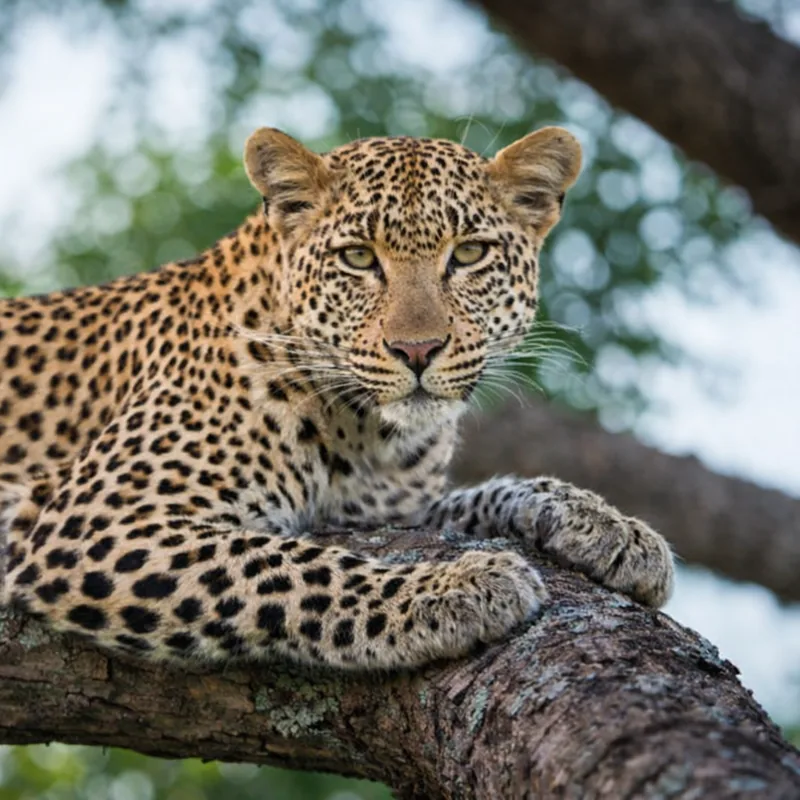
Yes, lions, leopards and cheetahs are present in Ol Pejeta Conservancy. Lions and cheetahs may be seen on game drives, while leopards are more elusive. Predator sightings are possible but never guaranteed.
Yes, Sweetwaters Chimpanzee Sanctuary is worth visiting if you are interested in conservation and rescued primates. It is not a typical safari game-drive experience, but it adds a unique educational stop to an Ol Pejeta visit.
Ol Pejeta and Lake Nakuru are both strong rhino destinations, but they feel different. Ol Pejeta is better for conservation experiences, Big Five potential, the northern white rhinos and chimpanzee sanctuary. Lake Nakuru is better for a compact national park safari with lake scenery, rhinos and birdlife.
Ol Pejeta is better for rhino conservation, northern white rhino experiences and a compact conservation-focused safari. Masai Mara is usually better for big cats, open savannah, high wildlife density and the Great Migration. Many Kenya itineraries combine Ol Pejeta and Masai Mara because they offer very different safari experiences.
Ol Pejeta is usually better for rhinos, conservation stories and Big Five potential. Amboseli is better for elephants, open landscapes and Mount Kilimanjaro views. Choose Ol Pejeta if rhinos and conservation are your priority, and Amboseli if elephant photography and Kilimanjaro scenery matter more.
Yes, Ol Pejeta can be a good first safari, especially for travellers who want rhinos, Big Five wildlife and conservation experiences without travelling as far as Masai Mara. However, first-time visitors who want the most classic open-plains safari may prefer to combine Ol Pejeta with Masai Mara or Amboseli.
Most visitors need 1 to 2 nights in Ol Pejeta. One night can work as a short stop, but two nights allow more relaxed game drives and time for conservation experiences such as the northern white rhinos or Sweetwaters Chimpanzee Sanctuary.
A day trip from Nairobi to Ol Pejeta is possible but long and tiring by road. Most travellers get a better experience with at least one overnight stay, especially if they want game drives and conservation activities rather than only a quick visit.
Driving to Ol Pejeta is usually cheaper and works well as part of a Kenya itinerary that includes Nanyuki, Mount Kenya, Aberdare or Samburu. Flying is faster and more comfortable, but more expensive. For short or luxury safaris, flying can make the trip feel less rushed.
Ol Pejeta can be visited year-round. Dry months are often better for general wildlife viewing because animals may be easier to spot, while greener months can be scenic and good for birdlife. Rhino and conservation experiences are not limited to one short season.
Where you stay in Ol Pejeta depends on your budget and safari style. Staying inside or very close to the conservancy is best for early game drives and conservation activities. Properties around Nanyuki can also work, but may add transfer time to your safari day.
Ol Pejeta is generally safe for tourists when visited with a reputable guide, lodge or safari operator. Visitors should follow standard safari safety rules: stay inside the vehicle unless told otherwise, keep a safe distance from wildlife and follow instructions from guides, rangers and conservancy staff.
Yes, Ol Pejeta can be suitable for families, especially because it combines game drives with educational conservation experiences. Children may enjoy rhinos, elephants, giraffes and the chimpanzee sanctuary. Families should check lodge age policies, activity rules and travel times before booking.
Wear comfortable neutral-coloured clothing, a hat, sunglasses and practical shoes. Ol Pejeta's higher-altitude setting can make mornings and evenings cool, so bring a fleece or light jacket. Sunscreen, insect repellent, binoculars, a camera and a reusable water bottle are also useful.