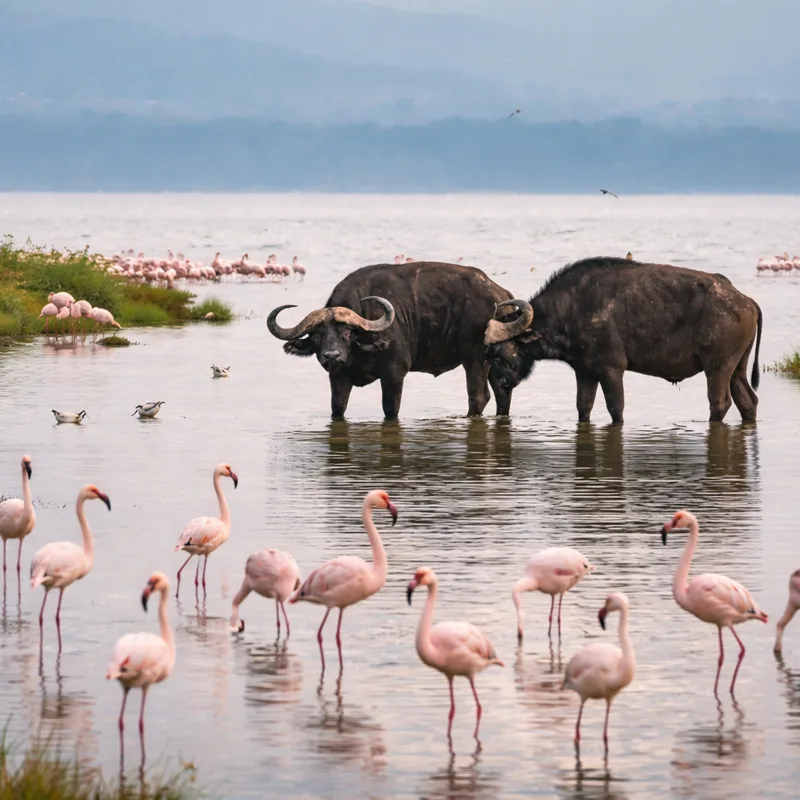
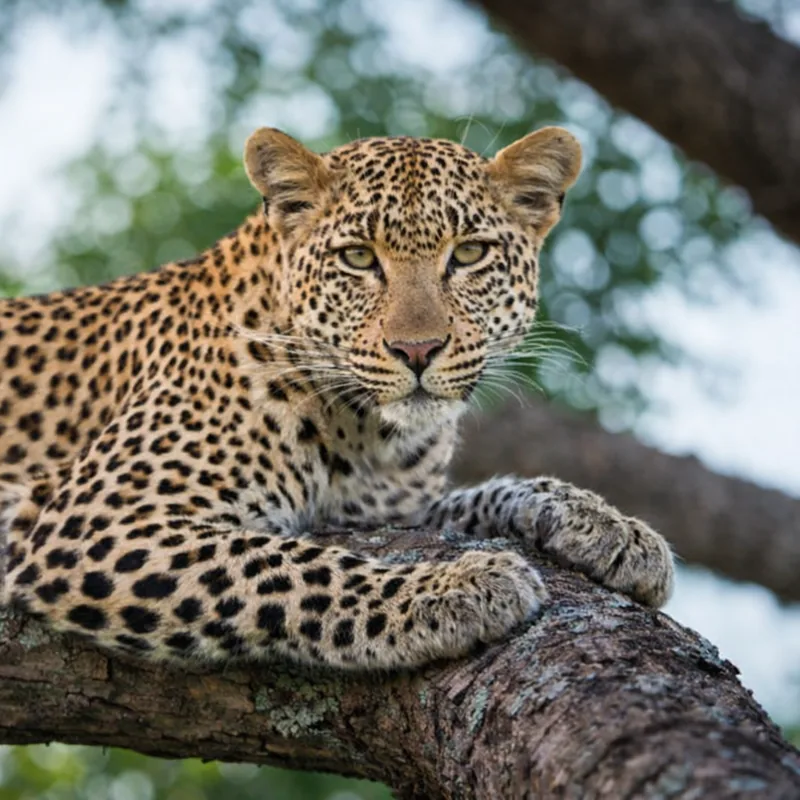
6 Days Group Safari to Masai Mara, Lake Nakuru and Amboseli
A classic Kenya highlights circuit — Maasai Mara big cats, Lake Nakuru rhinos and flamingos, and Amboseli elephants beneath Mt Kilimanjaro.
Kenya safari park
Kenya's flagship reserve and the heart of the Great Migration.
Maasai Mara is usually the best Kenya safari choice for travellers who want high wildlife density, big cats, open savannah landscapes and the chance to see the Great Migration. It is worth visiting year-round, but July to October is the most famous period for migration viewing. A 3-day safari is a common minimum, while 4 days gives more time for relaxed game drives and a better chance of varied sightings.
The Maasai Mara National Reserve covers roughly 1,500 km² of open savannah in southwest Kenya, sharing an unfenced border with Tanzania's Serengeti. It is by far Kenya's most-visited safari destination — and the reason most first-time visitors come to Kenya at all. The Mara holds Africa's highest predator density per square kilometre: lion prides exceeding twenty animals are routine, leopards stalk the riverine forests, and cheetahs hunt across the open plains in broad daylight.
From late July to October, roughly 1.5 million wildebeest accompanied by 200,000 zebras and 350,000 Thomson's gazelles cross into the Mara from the Serengeti — the spectacle known as the Great Migration. The dramatic Mara River crossings, where herds plunge through crocodile-filled water, peak in August and September. Outside migration season the Mara still delivers world-class game viewing year-round, with resident populations of all Big Five species (lion, leopard, elephant, buffalo, rhino) and excellent birdlife.
The reserve is roughly a 5-hour drive from Nairobi (or a 45-minute light-aircraft flight to Keekorok or Olare-Orok airstrips). Most multi-day Kenya safaris that start in Nairobi feature 2–3 nights in or around the Mara as their centrepiece — paired with Lake Nakuru, Lake Naivasha, or Amboseli to add park diversity.
Maasai Mara is best for travellers who want Kenya's most iconic safari experience — exceptional big-cat density year-round and, from late July to October, the dramatic river crossings of the Great Migration. It is the natural choice for first-time safari visitors, photographers and anyone whose main goal is seeing lions, leopards, cheetahs and elephants in the wild. A 3-to-5-day safari from Nairobi gives the best mix of game-drive time and travel pacing; the Mara is too far from Nairobi for a comfortable single-day trip.
Great Migration river crossings and dry-season big-cat action. Book 4–6 months ahead.
Green season (Dec–Mar) brings lush landscapes, fewer crowds and excellent newborn-prey and predator activity. June and November are quieter dry shoulders with lower lodge rates than peak.
Long rains make tracks muddy and game-viewing harder, though lodge rates drop 30–50%.
Multi-day Kenya safari packages that include Maasai Mara as part of their itinerary.
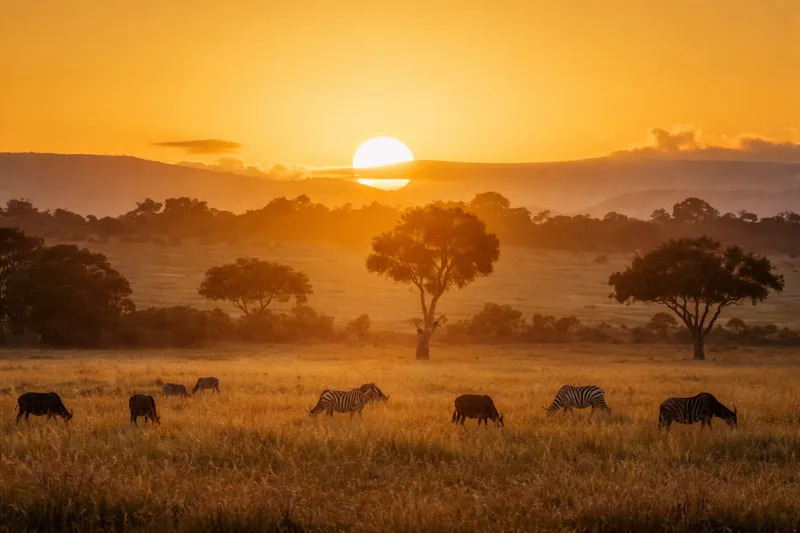
A classic Kenya highlights circuit — Maasai Mara big cats, Lake Nakuru rhinos and flamingos, and Amboseli elephants beneath Mt Kilimanjaro.
Five-day 4WD Jeep loop from Nairobi covering the Mara's Big Five, Lake Nakuru and a cycling and hike day at Lake Naivasha and Hell's Gate.
A four-day group safari inside one of Kenya's largest reserves, with strong chances of seeing the big cats. Mara park fees are included in the quoted price.
Pair the Maasai Mara's big-cat plains with Lake Nakuru's rhino sanctuary and flamingo flocks on a four-day group safari from Nairobi.
The most reviewed Maasai Mara safari on the platform — a three-day group trip covering the Great Rift Valley, the Mara River and Big Five game drives.
Budget-friendly 4WD Mara group safari with meals, accommodation and game drives all included. A solid three-day option for first-time safari travellers.
Three days in the Maasai Mara on a daily-departure 4WD open-roof Land Cruiser safari, with meals and accommodation included.
Small-group three-day Mara safari based at Jambo Mara Lodge — a smaller group size that means more flexibility on game drives and fewer pickup stops.
Three days of game drives paired with luxury lodge or tented-camp accommodation. The upmarket option for travellers who want to see the Mara in more comfort.
A short two-day Mara safari from Nairobi — Rift Valley views, a sunset game drive and free pickup or drop-off in Nairobi CBD and Westlands.
A long single-day round trip from Nairobi to the Maasai Mara, with Big Five game drives and an optional cultural visit to a traditional Maasai village.
Drift over the Maasai Mara at sunrise in a hot air balloon as the plains wake up, finishing with a champagne bush breakfast. A classic add-on to any Mara safari.
Yes, Masai Mara is worth visiting if you want one of Kenya's most iconic safari experiences. It is known for open savannah landscapes, excellent wildlife viewing, big cats, elephants, buffalo, giraffes, zebras and the Great Migration. It is especially good for first-time safari visitors who want a high chance of memorable animal sightings.
Masai Mara is famous for the Great Migration, big cat sightings, open grasslands and high wildlife density. It is one of the best-known safari destinations in Africa and is especially associated with lions, cheetahs, leopards, wildebeest, zebras and dramatic river crossings during migration season.
The best time to visit Masai Mara depends on what you want to see. July to October is the most famous period because of the Great Migration, although exact wildlife movements vary each year. Masai Mara also offers strong year-round wildlife viewing, with quieter periods outside peak migration season.
The Great Migration usually reaches the Masai Mara between July and October, although the exact timing depends on rainfall and grazing conditions. This is when large herds of wildebeest and zebras move into the Mara from the Serengeti, and river crossings may occur. River crossings are natural events and can never be guaranteed.
Most visitors should plan at least 3 days for a Masai Mara safari, usually with 2 nights in or near the reserve. This gives time for several game drives and a better chance of varied wildlife sightings. A 4-day safari is more relaxed, while a 2-day safari can feel rushed because of the travel time from Nairobi.
Two days can give you a short introduction to Masai Mara, but it is usually quite rushed, especially if you are driving from Nairobi. A 3-day safari is a better minimum for most travellers because it allows more time for morning and afternoon game drives.
Masai Mara is not usually recommended as a day trip from Nairobi because the journey is long and would leave very little time for wildlife viewing. Most visitors choose at least a 2-night safari, or fly into the Mara if they have limited time.
Animals commonly seen in Masai Mara include lions, cheetahs, elephants, buffalo, giraffes, zebras, wildebeest, hippos, crocodiles, hyenas, antelopes and many bird species. Leopards and rhinos may also be seen, but sightings are less predictable. During migration season, large herds of wildebeest and zebras are a major highlight.
Yes, it is possible to see the Big Five in Masai Mara: lion, leopard, elephant, buffalo and rhino. Lions, elephants and buffalo are often seen more easily, while leopards and rhinos are less predictable. No wildlife sighting is guaranteed, but Masai Mara is one of Kenya's strongest safari areas for big wildlife.
Yes, Masai Mara is one of the best safari destinations in East Africa for big cats. Lions are commonly seen, and the open grasslands also give good chances of spotting cheetahs. Leopards are present too, although they are more elusive and sightings depend on luck, location and guide experience.
Masai Mara and Serengeti are connected ecosystems and both offer outstanding safari experiences. Masai Mara is smaller, often easier to combine with a Kenya itinerary, and excellent for big cats and migration viewing in season. Serengeti is much larger and offers a broader sense of wilderness, especially on longer safaris. The better choice depends on your route, budget, time and travel style.
Masai Mara is usually better for big cats, high wildlife density, open plains and the Great Migration. Amboseli is better known for elephants and views of Mount Kilimanjaro. If this is your first safari and you want the broadest wildlife experience, Masai Mara is often the stronger choice. If Kilimanjaro views and elephant photography are your priority, Amboseli may suit you better.
Masai Mara is usually better for big cats, wildlife density and classic open-plains safari viewing. Tsavo is better for huge landscapes, red elephants, a wilder dry-country feel and easier access from the Kenyan coast. Choose Masai Mara for a high-impact safari, and Tsavo if you are staying near Mombasa, Diani, Watamu or Malindi and want a convenient safari add-on.
The cost of a Masai Mara safari depends on the season, number of days, type of accommodation, park fees, transport, group size and whether you choose a private or shared safari. Budget safaris are cheaper but may involve basic camps and longer road transfers, while luxury safaris cost more because of lodge quality, location, guiding standards and included services.
Masai Mara safaris can be expensive because prices often include park or conservancy fees, transport from Nairobi or flights, accommodation, meals, guided game drives, vehicle costs and staff. Prices also rise during peak migration season, when demand for lodges and camps is highest.
Driving from Nairobi to Masai Mara is usually cheaper and allows you to see more of the countryside, but the journey is long and can be tiring. Flying is faster and more comfortable, giving you more time in the reserve, but it costs more. For short trips, flying can make the safari feel much less rushed.
A Masai Mara balloon safari can be worth it if your budget allows and you want a special view of the plains at sunrise. It is expensive, but many travellers consider it a highlight because it offers a very different perspective from a vehicle-based game drive. It is best seen as an optional upgrade rather than an essential part of a safari.
Where you should stay in Masai Mara depends on your budget, season and safari style. Staying inside the reserve can reduce drive times to wildlife areas, while private conservancies may offer a quieter experience, fewer vehicles and activities such as night drives or walking safaris where permitted. Camps outside the reserve are often cheaper but may involve longer transfers to game-viewing areas.
Masai Mara National Reserve is the main protected safari area and is especially popular during migration season. Private conservancies around the reserve usually limit visitor numbers and may offer a quieter, more exclusive safari experience. Conservancies can also offer activities that are not always available inside the reserve, depending on local rules and the specific camp.
Masai Mara is generally safe for tourists when visited with a reputable safari operator and when park rules are followed. Visitors should stay inside the vehicle during game drives unless the guide says otherwise, keep a safe distance from animals, follow lodge guidance and avoid risky behaviour around wildlife.
Masai Mara can be suitable for families, especially with a private safari vehicle and a well-paced itinerary. Children often enjoy seeing lions, elephants, giraffes and zebras, but families should consider long travel times, early starts, heat, bumpy roads and lodge age policies before booking.
Wear comfortable neutral-coloured clothing, a hat, sunglasses and sturdy shoes. Mornings and evenings can be cool, so bring a light jacket or fleece. Sunscreen, insect repellent, binoculars, a camera and a reusable water bottle are also useful.
Yes, Masai Mara is good outside migration season because it has strong resident wildlife throughout the year. You may not see the large migration herds or river crossings, but you can still see lions, cheetahs, elephants, buffalo, giraffes, zebras and many other animals. Travelling outside peak season can also mean fewer crowds and better prices.