Complete your Kenya safari
Parks that pair well with the Mara
Most Kenya safaris combine the Mara with one or two complementary parks for a fuller picture of the country's wildlife.
Kenya safari guide
Kenya's greatest safari destination — the Big Five, Africa's highest lion density and the Great Migration river crossings.
Key Takeaways
The Masai Mara is a 1,510 km² national reserve in southwestern Kenya's Narok County — the northern tip of the 25,000 km² Serengeti–Mara ecosystem.
The reserve is managed in two parts: the main Narok County side (entered via Sekenani, Talek and other gates) and the Mara Triangle — the western third run by the non-profit Mara Conservancy since 2001, known for stricter rules, better-maintained roads and fewer vehicles. Surrounding both is a network of private conservancies — Mara North, Olare Motorogi, Naboisho, Ol Kinyei and others — where night drives, walking safaris and off-road driving are all permitted.
Entry fees were overhauled in late 2023 and the two-season structure remains in place for 2026. Always confirm current rates with your operator — these are the highest park fees in Kenya and they change without notice.
| Category | Low season (Jan–Jun) | High season (Jul–Dec) |
|---|---|---|
| Non-resident adult | US$100/day | US$200/day |
| Non-resident child (9–17) | US$50/day | US$50/day |
| Children under 8 | Free | Free |
| East African resident adult | KES 2,500/day | KES 5,000/day |
| Kenyan citizen adult | KES 1,500/day | KES 3,000/day |
Vehicle fees are charged separately by seating capacity (roughly KES 400–5,000). Most safari packages bundle park fees; always check the "what's included" line. For a full cost breakdown, see our Kenya safari cost guide.
The Mara is above all big-cat country. A University of Oxford study documented "almost 17 lions per 100 square kilometres — one of the highest densities anywhere in Africa," and Mara Predator Conservation Programme surveys have since recorded density climbing to 20.5 lions per 100 km² by 2020. Leopards haunt the riverine forests along the Talek and Mara Rivers, and cheetahs hunt the open plains of the Mara Triangle and Olare Motorogi.
All Big Five are present — lion, leopard, elephant, buffalo, and black rhino (critically endangered; the Mara Triangle is their stronghold). Beyond the Big Five the reserve holds around 95 mammal species and more than 470 recorded bird species, including 55+ raptor species.
Each year roughly 1.5 million wildebeest accompanied by around 400,000 zebra and 200,000 Thomson's gazelle move clockwise through the Serengeti–Mara ecosystem. They typically arrive in the Mara from July, with the dramatic Mara River crossings — where herds plunge through crocodile-filled water — peaking in August and September, before drifting back south around late October. Timing is entirely weather-driven; crossings can never be precisely predicted. Three to four nights in the field during August–September gives a very high probability of witnessing at least one crossing.
Resident wildlife is superb year-round, so even a non-migration safari delivers world-class sightings.
The drive from Nairobi to the eastern gates (Sekenani, Talek, Oloolaimutia) is roughly 225–285 km and takes about 5–6 hours, passing through the Great Rift Valley escarpment and Narok town. The road from Narok to Sekenani Gate is now fully tarmacked; the final stretch to some gates is gravel. Western gates (Musiara, Oloololo) take about 30 minutes more.
Best for: longer itineraries, groups and budget travellers. Pairs well with stops at Rift Valley viewpoints.
A 45–60 minute flight from Nairobi Wilson Airport (WIL) to one of a dozen Mara airstrips — Keekorok, Ol Kiombo, Musiara, Mara Serena, Kichwa Tembo, Mara North and others. Main carriers: Safarilink, AirKenya, Governors' Aviation. Expect roughly US$200–400 one-way in low season, US$290–550 return at peak. Strict 15 kg soft-bag luggage limit applies.
Best for: 2–3 night stays, maximising game time and pairing with the 12-hour fee window.
These tours run from Nairobi and cover all transfers, accommodation and game drives. Check live availability and current prices below.
Prefer to browse all options? See all 15 featured Kenya safari tours →
The Mara is a genuine year-round destination, but the experience shifts dramatically by season. See our complete month-by-month Kenya safari guide for detail on every park.
| Period | Weather & wildlife | Crowds & price |
|---|---|---|
| Jan–Feb | Warm, dry; wildebeest calving further south; excellent big-cat action; Kilimanjaro views from Amboseli | Low season, US$100 park fee, fewer vehicles |
| Mar–May | Long rains; lush green plains, some tracks muddy; a few camps close | Lowest prices; rates drop 30–50% |
| Jun | Cool, drying out; herds building toward arrival; good value | Shoulder; US$100 fee until 30 Jun |
| Jul–Oct | Dry season; migration in the Mara; river crossings peak Aug–Sep; best big-cat viewing | Peak — busiest and most expensive; US$200 park fee |
| Nov–Dec | Short rains (brief afternoon showers); herds heading south; good birding | Quieter early Nov; busy over Christmas–New Year |
The Mara sits at 1,500–1,900 m altitude, so early-morning drives are chilly year-round — nights can drop below 10°C in June–August. Pack a warm fleece regardless of month.
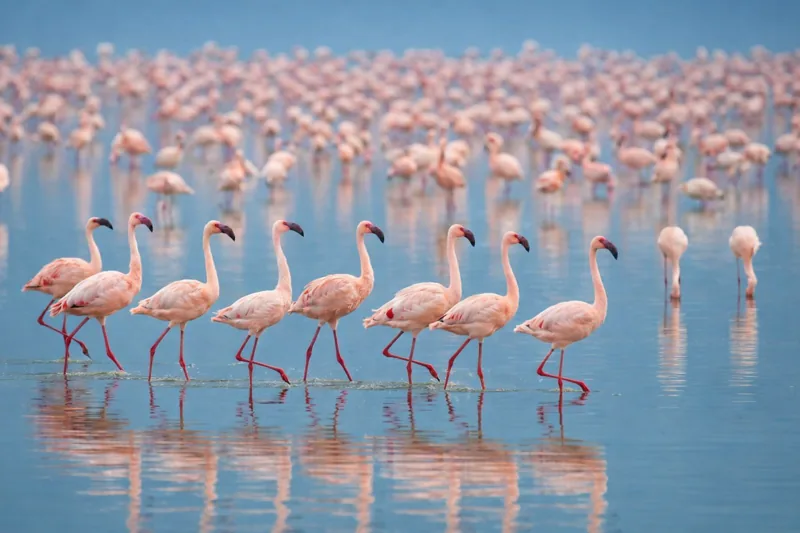
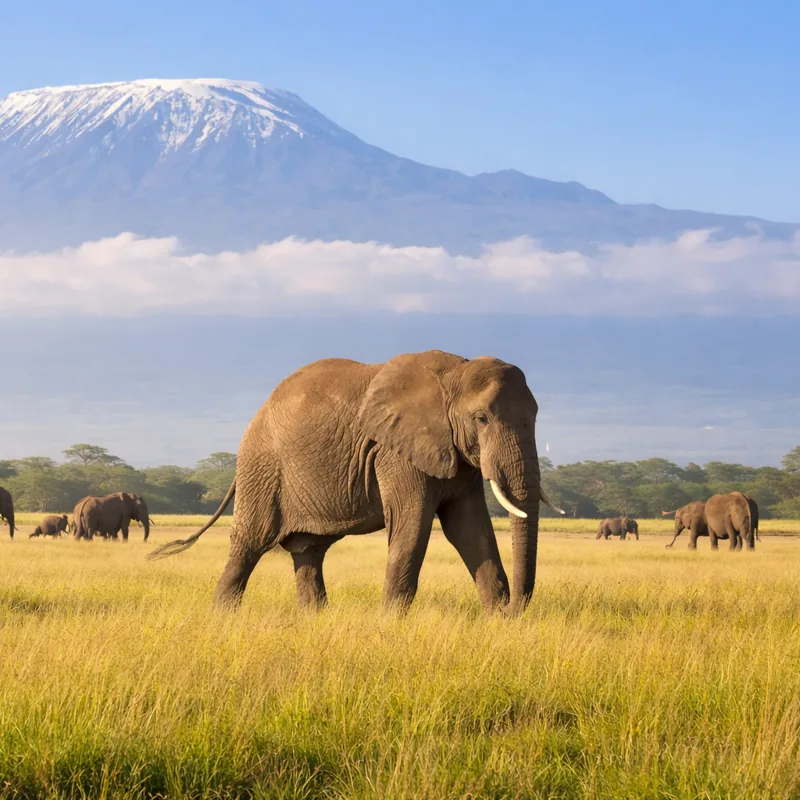
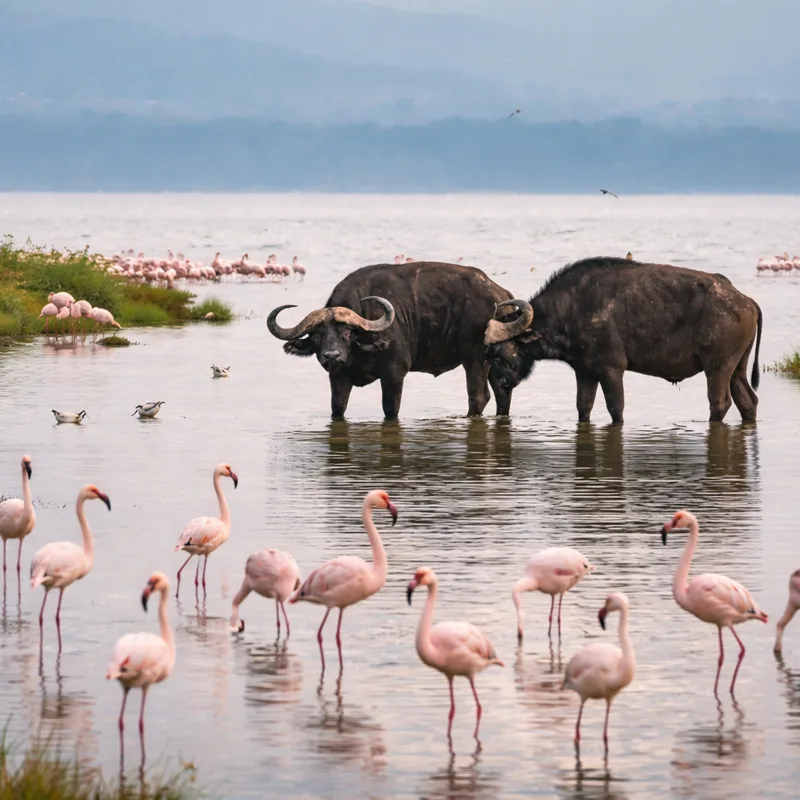
Many travellers pair their Masai Mara days with Amboseli's Kilimanjaro-backed elephants, the flamingo flocks and rhino sanctuary at Lake Nakuru, hippo boat cruises at Lake Naivasha, or the remote northern Kenya circuit through Samburu and Ol Pejeta. Browse experiences that fit your dates and interests:
Accommodation falls into three broad location choices, each with distinct trade-offs:
Wake up inside the wildlife; no gate queues. You pay park fees for each calendar day plus community fees (~US$50–80 per person per night). Examples: Governors' Camp, Mara Serena Safari Lodge, Keekorok Lodge, Fig Tree Camp.
Typical price: mid-range US$150–350 per person per night; luxury US$400–1,500+.
The most exclusive experience — capped vehicle numbers, night drives, walking safaris and off-road driving all permitted. Conservancy fees (~US$100–150 per person per night) are usually built into the camp rate. Examples: Angama Mara, Mara Plains, Mahali Mzuri.
Note: Conservancy fees are separate from and not valid in the national reserve.
Clustered near Sekenani, Talek and Oloolaimutia gates — from around US$50–120 per person per night. You drive in each morning and lose some game time to the gate queue, but this is the most budget-friendly option.
Green-season (March–May) rates can drop 30–50% versus peak. Always book the July–October migration period 6–18 months in advance for the best lodges.
Most Kenya safaris combine the Mara with one or two complementary parks for a fuller picture of the country's wildlife.
Non-resident adults pay US$100 per day from January to June and US$200 per day from July to December. Children aged 9–17 pay US$50 per day year-round; under-8s are free. Tickets are valid 12 hours (6am–6pm) — not 24. Most gates are now cashless (card or M-Pesa). Many safari packages bundle park fees; always check the "what's included" line.
July to October for the Great Migration and river crossings, peaking in August–September. January–February offers excellent calving-season big-cat action, warm dry weather and the lower US$100 park fee. March–May and November are the green-season value months with lush scenery and rates up to 50% lower. See our full month-by-month Kenya safari guide for detail.
The herds typically arrive from July and stay through October, with the dramatic Mara River crossings peaking in August and September. Exact timing depends on rainfall and cannot be precisely predicted. Plan a minimum of 3–4 nights during August–September for the best odds of witnessing a crossing. The reserve is excellent for resident wildlife year-round even without the migration.
Three days and two nights is a solid minimum, giving you at least two morning and two afternoon game drives. For the migration, four days or more significantly improves your odds of catching a crossing, since they can't be predicted day to day. Many popular packages combine 2–3 Mara nights with a night at Lake Nakuru or Amboseli for park variety.
Not inside the national reserve, where game drives are restricted to the 6am–6pm window and off-road driving is prohibited. Both night drives and walking safaris — as well as off-road driving — are available in the surrounding private conservancies (Mara North, Olare Motorogi, Naboisho, Ol Kinyei and others), which also cap vehicle numbers at sightings for a more exclusive experience.
By road: roughly 5–6 hours (225–285 km) to the eastern gates via the Great Rift Valley and Narok town. The main road to Sekenani Gate is tarmacked. By air: 45–60 minutes from Nairobi Wilson Airport (WIL) with Safarilink, AirKenya or Governors' Aviation to airstrips including Keekorok, Ol Kiombo and Musiara. Flights cost roughly US$200–400 one-way; there's a strict 15 kg soft-bag luggage limit on bush flights.